


Minimalism, hygiene, durability and creative freedom: Solid Surface has established itself as one of the most sought-after materials in European design. From sculpted worktops to bathroom accessories, this mineral surface — made from acrylic resins and natural minerals — combines strength and pure aesthetics.
Several European brands have turned this material into a hallmark of their identity. Some stand out for their industrial track record, others for their artistic or sustainable approach.
Here are the 5 most relevant Solid Surface brands in Europe, with a critical and constructive look at what makes each one unique.
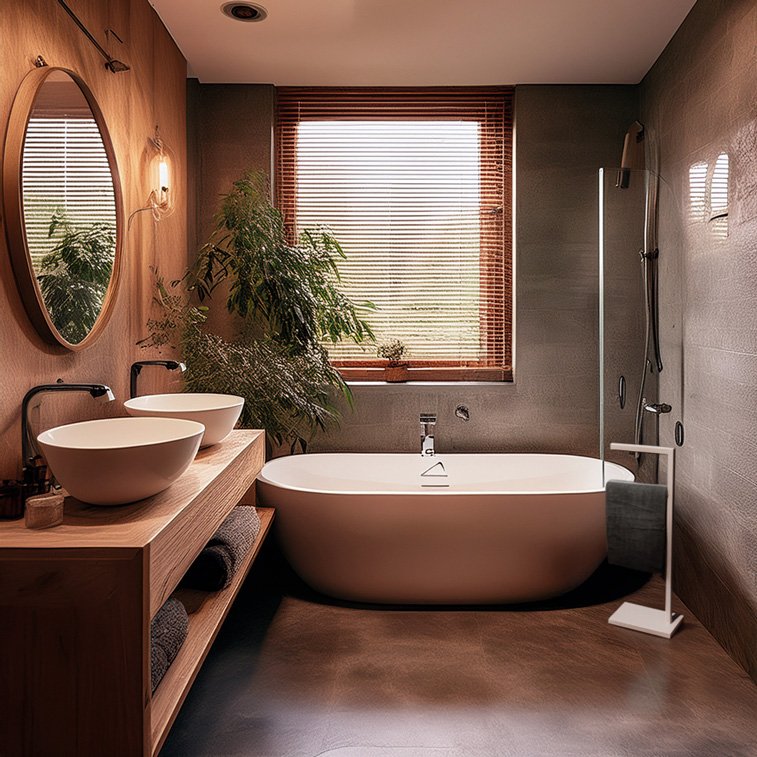
When it comes to Solid Surface, the starting point is always Corian®, the pioneering brand created by DuPont in the 1960s. Its innovation set the industry standard: durability, versatility and timeless design.
Its collections range from kitchens and bathrooms to commercial architecture projects. Corian® offers an almost endless colour palette, mouldable surfaces and a flawless finish.
- Its weak point: excellence comes at a price. It is usually the most expensive option on the market, making it a luxury choice that is not always affordable for mid-range or residential projects.
2. Krion (Porcelanosa) – Technology and sustainability
Krion®, part of the Porcelanosa group, has transformed the sector with its antibacterial, eco-friendly and recyclable formula. Its flagship material, K·Life, purifies the air and resists stains remarkably well.
The brand also works closely with architects and designers to create projects with a strong aesthetic impact.
- Its weak point: its highly industrial, technology-driven approach can leave little room for handcrafted customisation or the human touch.
3. Solid Creaciones (Spain) – The accessible elegance of handcrafted design
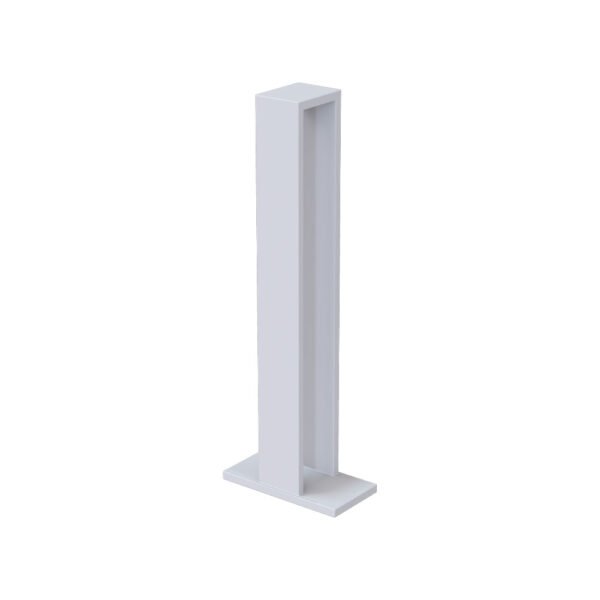
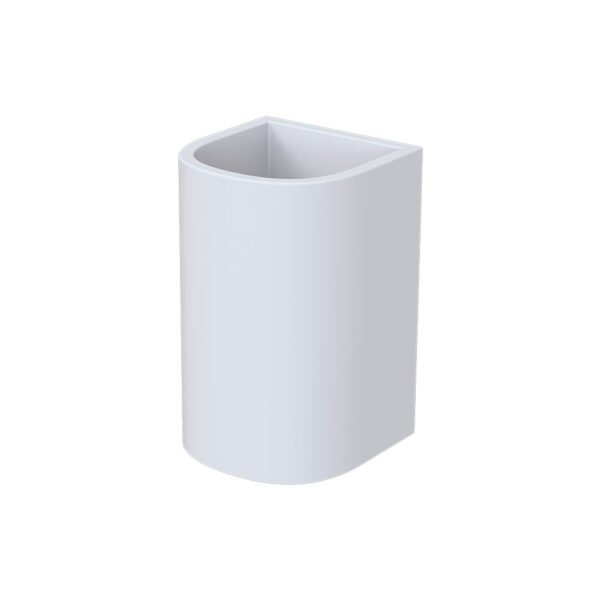
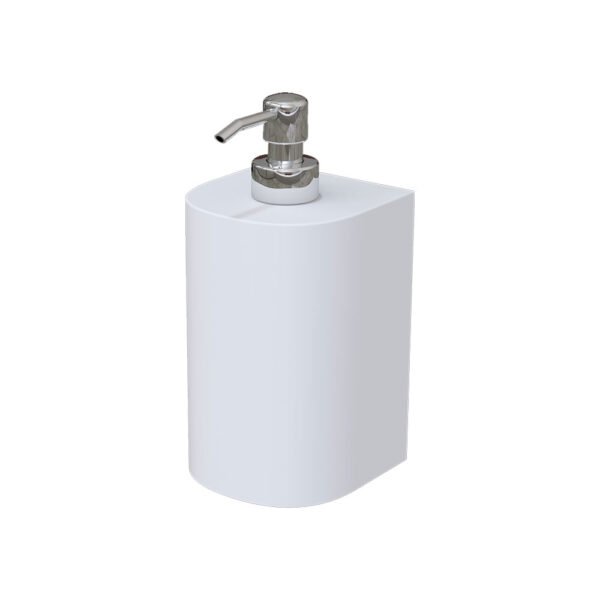
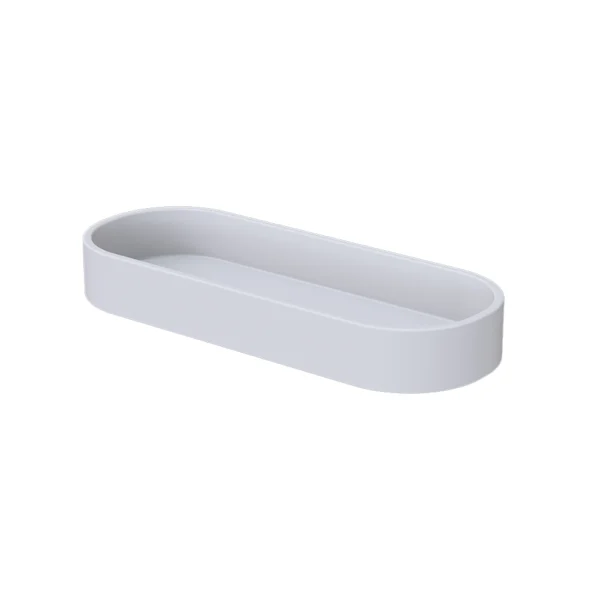
In a market dominated by architectural surfaces and large formats, Solid Creaciones has found its own niche: designing Solid Surface bathroom accessories.
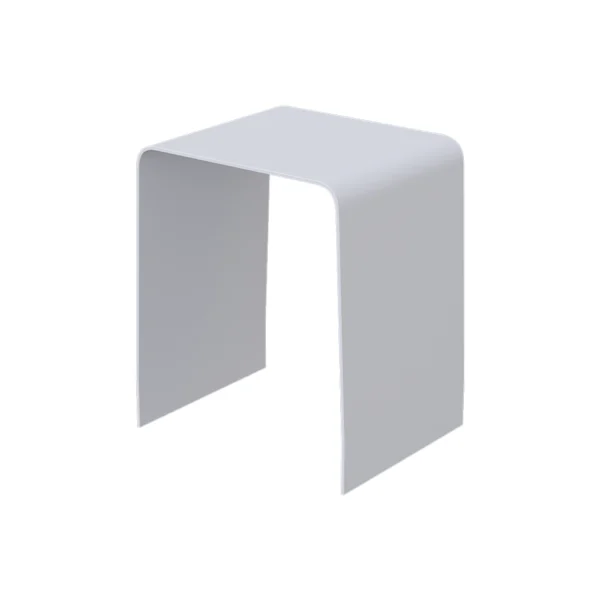
From robe hooks, towel rails and toilet roll holders to dispensers, shelves, shower caddies and its flagship product, the bench, this Spanish company combines craftsmanship, design and functionality with a rare sense of balance.
Unlike the big brands, Solid Creaciones focuses on detail, making each piece with handcrafted precision and finishes that reveal the purity of the material.
What sets it apart is its approach: contemporary design products at genuinely competitive prices, without compromising on high-end Solid Surface quality (Corian®).
It offers design and durability with a clean, accessible aesthetic language, ideal for projects looking for functional luxury.
- Its weak point: it is still an emerging brand with less international recognition, although its expansion in Europe is growing fast.
HIMACS (LX Hausys) – Industrial precision and architectural design
The South Korean-European brand HIMACS stands out for its technical versatility. Its material is fully thermoformable and makes it possible to create continuous, organic volumes, something highly valued by architects and interior designers.
Its presence at international trade fairs such as Interzum and Euroshop reinforces its global reputation.
- Its weak point: its technical, large-scale focus distances it from private customers and home design, limiting its emotional connection with the end user.
Avonite Surfaces (Aristech Surfaces) – Colour, expression and sustainability
With a clear focus on the hospitality and commercial sectors, Avonite Surfaces is committed to vibrant colours and customisable surfaces. It also uses recycled materials in much of its production, reinforcing its commitment to sustainability.
- Its weak point: although a respected brand, its catalogue leans more towards industrial than home design, so it is less present in residential projects.
Solid Surface: a material that defines the design of the future
The success of these companies shows that Solid Surface is much more than a material: it is a philosophy.
Durable, sustainable, hygienic and beautiful, it makes it possible to imagine spaces without limits or visible joints.
Today, the challenge lies not only in technical innovation, but in how to humanise design. In that sense, companies like Solid Creaciones point to the future: making the tactile luxury and visual purity of Solid Surface part of everyday life.